Recycling and Sustainability at Landscaping Bounds Green
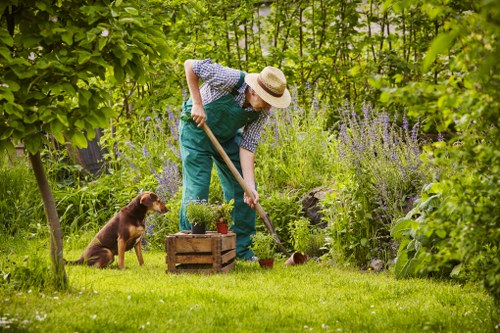 At Landscaping Bounds Green, sustainability is built into the way we plan, carry out, and complete every outdoor project. Our approach to landscaping in Bounds Green focuses on reducing waste, recovering useful materials, and choosing methods that keep environmental impact as low as possible. We work with a practical recycling-first mindset, aiming to keep materials out of landfill wherever they can be reused, repaired, separated, or processed responsibly.
One of our key targets is to maintain a minimum recycling rate of 85% across relevant project waste, with a long-term ambition to improve this year by year. This includes soil, green waste, timber, packaging, rubble, metals, and other common materials generated during garden redesigns, clearance work, and maintenance. By sorting waste carefully on site and using the right disposal routes, our Bounds Green landscaping team can help turn what would once have been mixed waste into reusable or recyclable streams.
 A major part of this effort is working with local transfer stations and licensed waste facilities that support safe segregation and responsible processing. In practical terms, this means separating materials such as clean green waste, hard core, untreated wood, plastics, cardboard, and soil before they leave the site. This is especially relevant in nearby boroughs where waste separation expectations are increasingly precise, with local services often encouraging residents and businesses to divide recyclable materials rather than mixing everything into one container. Our Landscaping Bounds Green recycling approach mirrors that discipline, making it easier for waste handlers to recover more from each load.
We also place strong value on partnerships with charities and community organisations. Where suitable, we donate reusable items such as intact pots, surplus paving, compostable organic material for community growing spaces, salvageable timber, and usable garden accessories. These partnerships help extend the life of materials and support local projects that benefit schools, community gardens, environmental groups, and household support charities. For sustainable landscaping in Bounds Green, reuse is often just as important as recycling, because it reduces demand for new products and gives useful materials a second purpose.
Our plant and transport choices are another important part of lowering our footprint. Landscaping work can be vehicle-intensive, so we are steadily expanding the use of low-carbon vans within our operations. These vehicles are selected to reduce emissions on local journeys between project sites, waste facilities, and material suppliers. By improving route planning, avoiding unnecessary trips, and using more efficient vans, Bounds Green landscaping sustainability becomes a day-to-day practice rather than a statement on paper. This matters in built-up areas where cleaner air and quieter streets are important to local communities.
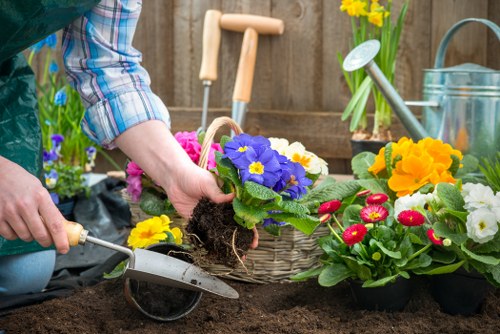 The same attention to detail applies to the materials we bring into a project. We look for recycled or responsibly sourced products where possible, including reclaimed paving, FSC-certified timber, and recycled aggregates. Even simple choices, such as using refillable containers for some products or selecting packaging with higher recyclable content, can lower the environmental cost of a job. In many cases, the boroughs around Bounds Green expect a clear separation of green waste from mixed rubbish, so we organise collections to match those expectations and reduce contamination at the transfer station stage.
Green waste is one of the easiest streams to recover well, and it forms a big part of our recycling in Bounds Green landscaping work. Leaves, branches, turf, and prunings can often be processed into compost, mulch, or soil improver, depending on the facility and the material condition. We aim to keep organic waste clean by avoiding contamination with plastics, wire, and general refuse. This not only improves recycling outcomes but also supports wider environmental goals such as healthier soils and reduced demand for peat-based products.
We also take care with rubble and hard landscaping waste. Broken slabs, bricks, and concrete can often be crushed and reused as aggregate, while metals can usually be recovered through appropriate recycling channels. Where a garden clearance creates mixed waste, we separate streams carefully so that recoverable items do not end up buried in landfill unnecessarily. This practical, low-waste landscaping method helps us work responsibly in a way that aligns with modern local waste practices and the greener expectations of nearby boroughs.
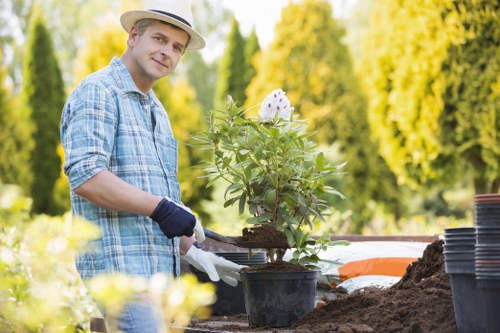 Before completing any project, we review the waste profile so we can choose the most responsible disposal route. That may include a local transfer station for segregated loads, a charity partner for reusables, or a specialist processor for specific recyclable fractions. By combining these routes, Landscaping Bounds Green can keep disposal efficient while improving environmental performance. The result is a service shaped around reduction, recovery, and careful handling rather than simple removal.
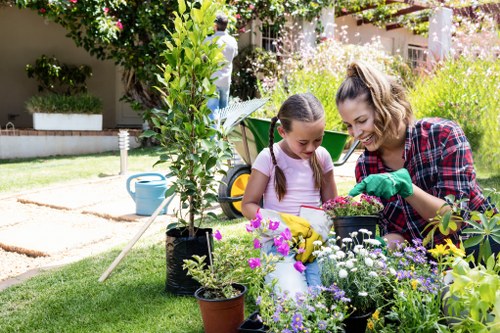 Looking ahead, our sustainability plan is focused on continuous improvement. We want to keep raising our recycling percentage target, increase the share of low-carbon vehicle use, and deepen our partnerships with charities that can benefit from reusable landscaping materials. As standards around waste separation continue to evolve across surrounding boroughs, we are committed to staying aligned with best practice and helping our clients make environmentally responsible choices. For us, recycling and sustainability in Bounds Green landscaping are not separate priorities; they are part of the same commitment to building attractive outdoor spaces with less waste, lower emissions, and more value retained in every material we handle.