Health and Safety Policy for Landscaping Bounds Green
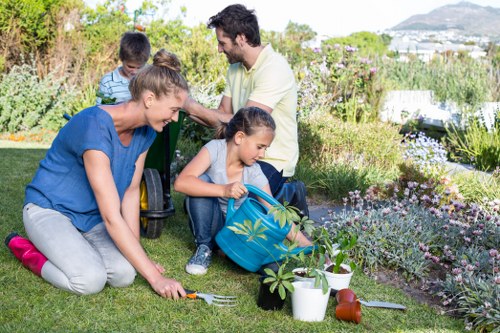 This health and safety policy sets out the standards that guide all landscaping activities carried out by Landscaping Bounds Green. Its purpose is to protect employees, contractors, clients, visitors, and members of the public from avoidable harm. Landscaping work can involve physical labour, machinery, tools, sharp materials, lifting, soil movement, and outdoor environments that change throughout the day. For that reason, safety is treated as a core part of service delivery, not as a separate task.
We aim to provide a working environment where risks are identified early, controlled effectively, and reviewed regularly. Every person involved in landscaping services is expected to follow safe systems of work, use equipment properly, and act responsibly at all times. The policy applies to all work activities, including garden maintenance, turf care, planting, hard landscaping, clearance, and seasonal tasks.
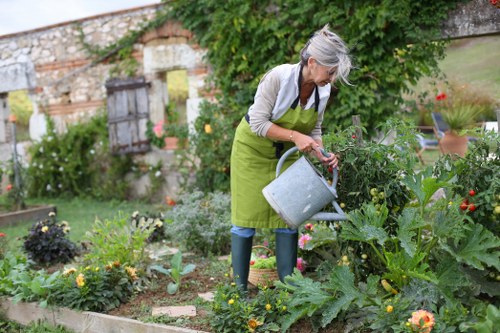 Our approach is based on prevention, communication, and accountability. Risk assessments are completed before work begins so hazards can be managed in a practical way. These may include uneven ground, slippery surfaces, hidden utilities, moving vehicles, plant machinery, noise, dust, weather conditions, and manual handling demands. The goal is to reduce the chance of injury while maintaining high standards of workmanship.
All workers must be fit for duty and must not carry out tasks if illness, fatigue, alcohol, or drugs could affect safety. Supervisors are responsible for ensuring that work is planned sensibly, that tasks are matched to capability, and that suitable breaks are taken. Where work changes during the day, the new hazards must be considered before continuing.
Training is essential to safe practice. Staff receive instruction on the correct use of tools, machines, chemicals, lifting methods, personal protective equipment, and site awareness. Only trained and authorised persons may operate powered equipment or handle restricted materials. Refresher training is provided whenever procedures, equipment, or risks change.
Personal protective equipment is issued where required and must be worn correctly. Depending on the task, this may include gloves, eye protection, hearing protection, safety footwear, high-visibility clothing, or respiratory protection. PPE is used alongside other controls, not instead of them. It is the final layer of protection when hazards cannot be removed entirely.
 Equipment is inspected before use and maintained in good working order. Damaged tools, blunt blades, faulty guards, leaking fuel containers, and unsafe accessories must be removed from service immediately. Routine maintenance records are kept to support safe operation and to reduce the risk of breakdowns or accidents during landscaping work.
Manual handling is a common risk in gardening and landscaping. Heavy items such as soil bags, paving materials, plants, and waste containers must be lifted using correct technique and, where possible, mechanical assistance. Loads should be assessed before moving, routes should be kept clear, and team lifting should be used for awkward or heavy objects. Safe lifting habits help prevent strains and long-term injury.
We also place strong emphasis on site housekeeping. Work areas should be kept tidy, with waste, offcuts, tools, cables, and materials stored safely. Good housekeeping reduces trip hazards and improves movement around the site. Areas should be checked at the end of each task so that the site is left in a safe condition for others.
Weather can create additional risks in outdoor environments. Hot conditions may lead to dehydration or heat stress, while cold and wet conditions can affect grip, visibility, and concentration. Work should be adjusted as needed, and staff should wear suitable clothing, drink water regularly, and take shelter where appropriate. During storms, strong winds, or lightning, work must stop if conditions become unsafe.
Another key part of this policy is the safe use of substances. Fertilisers, fuels, cleaning agents, herbicides, and other products must be stored, labelled, and handled carefully. Safety data should be consulted before use, and containers must never be decanted into unmarked vessels. Spillages should be contained immediately and reported so that they can be cleaned up without delay.
 Emergency arrangements are in place so that any accident, injury, near miss, or unsafe condition can be dealt with quickly. First aid resources must be available, and staff should know how to raise an alarm and summon help. Incidents are recorded and reviewed to identify patterns, improve controls, and prevent recurrence. Where necessary, work is paused until the risk is properly controlled.
Contractors and temporary workers are expected to meet the same standards as permanent staff. Before work begins, they must be informed of relevant hazards, site rules, emergency procedures, and any special restrictions. Clear communication is particularly important where more than one team is working in the same area, so that activities do not create unnecessary danger for others.
Management responsibility is central to the success of this policy. Leaders must provide suitable equipment, enough time to work safely, and supervision that supports good practice. Employees also have a duty to cooperate, report hazards, and stop work if they believe a task cannot be completed safely. Safety is a shared responsibility, and everyone is expected to contribute.
 This policy is reviewed regularly to ensure it remains effective and reflects changes in work methods, equipment, and operational risks. We are committed to continuous improvement in landscaping safety and in the protection of all people affected by our activities. By following these principles, Landscaping Bounds Green aims to deliver reliable results while keeping health, welfare, and safety at the forefront of every project.